15/10/22 - 12 min read
Historical women pianist-composers in Paris
Highlighting a treasure trove of piano music for all levels by visionary composers, pioneering performers and revolutionary teachers.
I've always been interested in the history of piano music and of musical education in general. When I started researching historical women composers who wrote for the keyboard, to see if there was anything I could use in my teaching practice, it soon became apparent that much of the best music was to be found buried away in the large technical manuals and collections of etudes that many of them produced. Much of this activity centred around Paris and the Conservatory.
Hélène de Montgeroult is a name that won't be familiar to most pianists today. But this wasn't always the case. She was the first female Piano Professor appointed to teach at the Paris Conservatory in 1795. She and her contemporaries were the first generation of conservatory piano teachers, as opposed to harpsichord teachers. Revolution was now and the piano was the future.
The Paris Conservatory was established in 1795 in the wake of the French Revolution and modelled on the wildly successful Neapolitan Conservatories which had flourished for over a century. The original purpose was to train musicians for the National Guards Bands who took part in the popular outdoor concerts organized by the Revolutionary Government during the Reign of Terror. Other major European cities would soon follow suit in establishing their own music conservatories, albeit under less politically charged circumstances.
In was against this revolutionary background that Hélène de Montgeroult, an aristocrat who only narrowly escaped the Reign of Terror herself, was appointed. Her husband, the Marquis de Montgeroult, had been killed in the captivity of Austrian forces while they were en route to Italy, and she was jailed on her return to France and reportedly only spared the guillotine owing to her exceptional musical abilities.
At the Conservatory, she taught a number of students who would later become important musicians such as Louis Pradher (who later taught Herz, Fétis and Le Couppey) and Alexandre Boëly (who would later instruct Franck and Saint-Saëns). However, she left less than three years later, much to the regret of her colleagues.
As a composer, she published nine piano sonatas and a set of six nocturnes for voice and piano but her most substantial work is the Complete Course For the Instruction of the Forte Piano (Cours complet pour l'enseignement du Forte Piano) published in 1820, a near 800 page work spread over three volumes. Volume one contains 972 preparatory exercises. Volumes two and three are entirely made up of original compositions, most significantly a collection of 114 etudes. In addition, each piece includes detailed written observations from the composer on its purpose and challenges.
According to her biographer Jérôme Dorival, she may have begun work on the Complete Course as early as 1788, after one of her pupils, the pianist John Baptist Cramer, requested original studies, and she finished composing it no later than 1812.
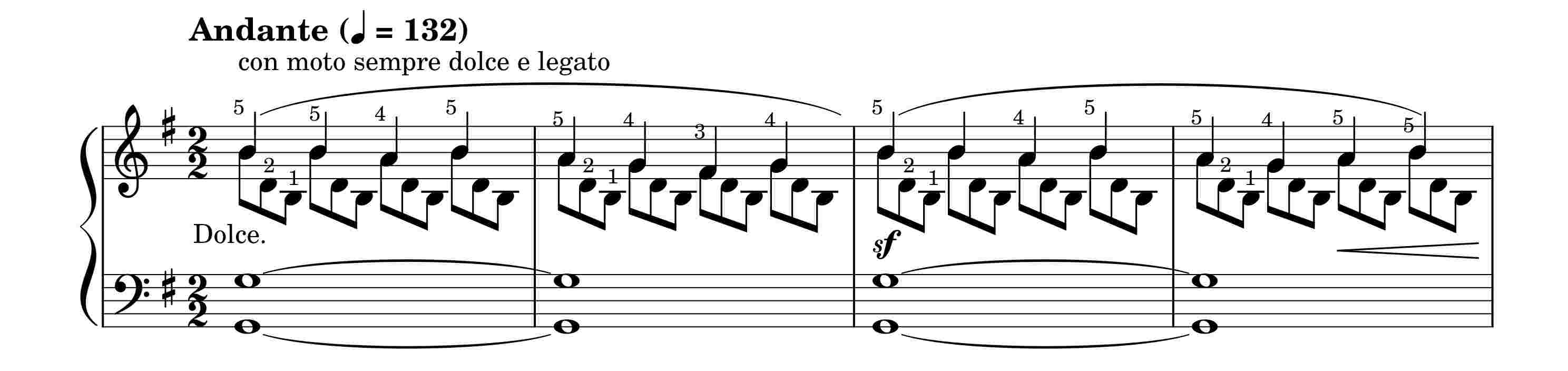
Ex. 1 - Hélène de Montgeroult - Etude No. 26 - Cours complet
Hélène de Montgeroult's Complete Course is the largest and most technically comprehensive piano method of its era. Her etudes extended the expressive and technical capabilities of the piano and many pianists have concluded that much of the Romantic piano style, which became popular in the 1830s, actually originates with Hélène de Montgeroult's method. In any case, she was in her own time very well known in professional piano circles and the Complete Course was reprinted a number of times including a publication in Germany in the early 1830s.
As a player, she was renowned for her touch and for her ability to make the piano "sing". Reportedly, she modelled her style of phrasing after the opera singers Marchesi and Creschentini and she encourages students to seek out their own vocal models. Cultivating a "singing" style is the focus of her piano method and of most of her etudes. Other piano methods of the era tended to focus more on the development of finger independence, speed and strength. Some of Montgeroult's studies also deal with those things, but a singing legato tone is always the main priority, even at speed.
In her introduction she observes that the keys should be "felt" rather than "hit". An instruction that appears to have been an important part of early 19th century French pianism and echoed by Chopin a few decades later, "Caress the key, never bash it!". His pupil Mathias elaborates, "You should, so to speak, mould the keyboard with a velvet hand and feel the key rather than striking it!".
She also makes comparisons with the use of illusion in art. Just as artists use calculated deceptions which alter the proportions and forms of objects, in order to make them appear what they ought to be, pianists should use the art of illusion to allow the piano to say more than its mechanism seems to allow it to say, by imitating the phrasing and breathing of singers in the melody, for example, along with tasteful use of ornamentation in the vocal style. For Hélène de Montgeroult, to quote from her introduction, the piano's purpose "like that of singing itself, is to express the various emotions of the soul."
Technically, her etudes could be said to combine 18th century lyricism and counterpoint with 19th century modulations, experimental harmonies, unusual textures and advanced techniques for vocal imitation. Also worth noting are the five finger exercises that commence volume one which she transposes around the cycle of fifths as opposed to stepwise up and down the keyboard (though the later exercises do this as well). Here she uses 30 keys (15 key signatures) in common with other 19th century composers such as Farrenc in her 30 Etudes, Op.26 (see below) or Sterndale Bennett in his 30 Preludes and Lessons, Op.33.
Some of the early etudes are suitable for grades two to three while later advanced etudes are extended essays in all manner of styles from the musical past, present and future. Given Montgeroult's focus on vocal imitation it makes sense that many of her etudes are essentially songs without words. Other romantic genres such as impromptus and nocturnes are also represented, though without being named as such.
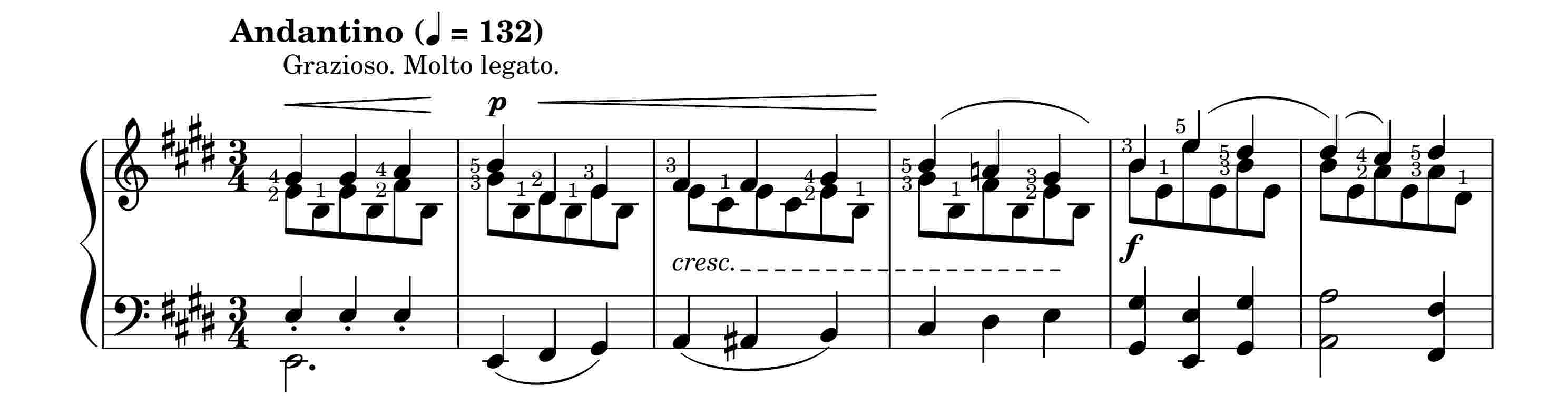
Ex. 2 - Hélène de Montgeroult - Etude No. 28 - Cours complet
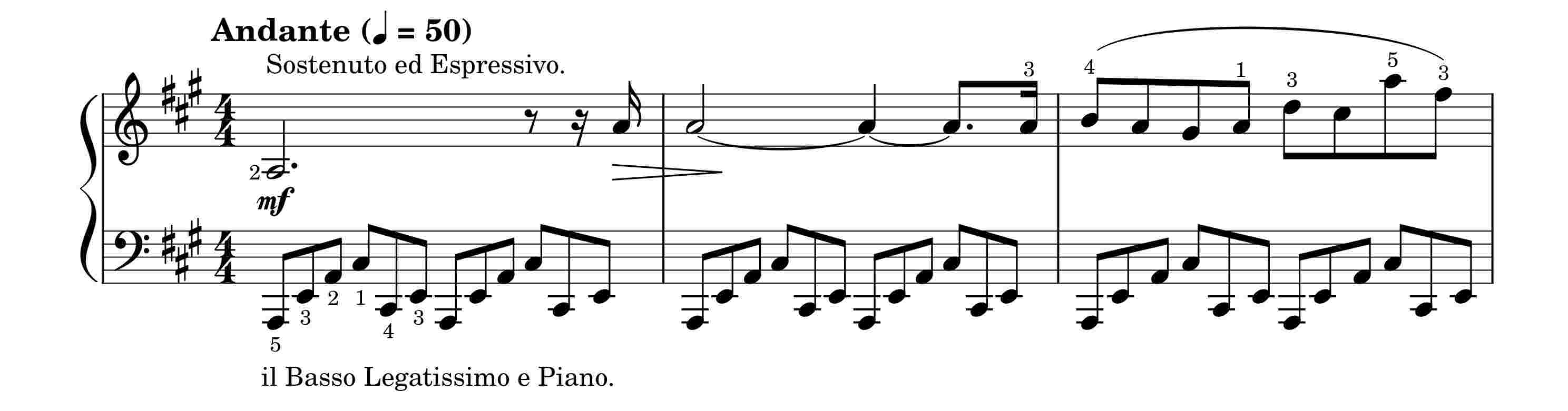
Ex. 3 - Hélène de Montgeroult - Etude No. 110 - Cours complet
There are many virtuosic flights of fantasy such as Etude 107 which is often seen as anticipating Chopin's 'Revolutionary Etude' by some two decades. Etude No. 54 showcases some of her forward looking textures and unusual approaches to modulation.
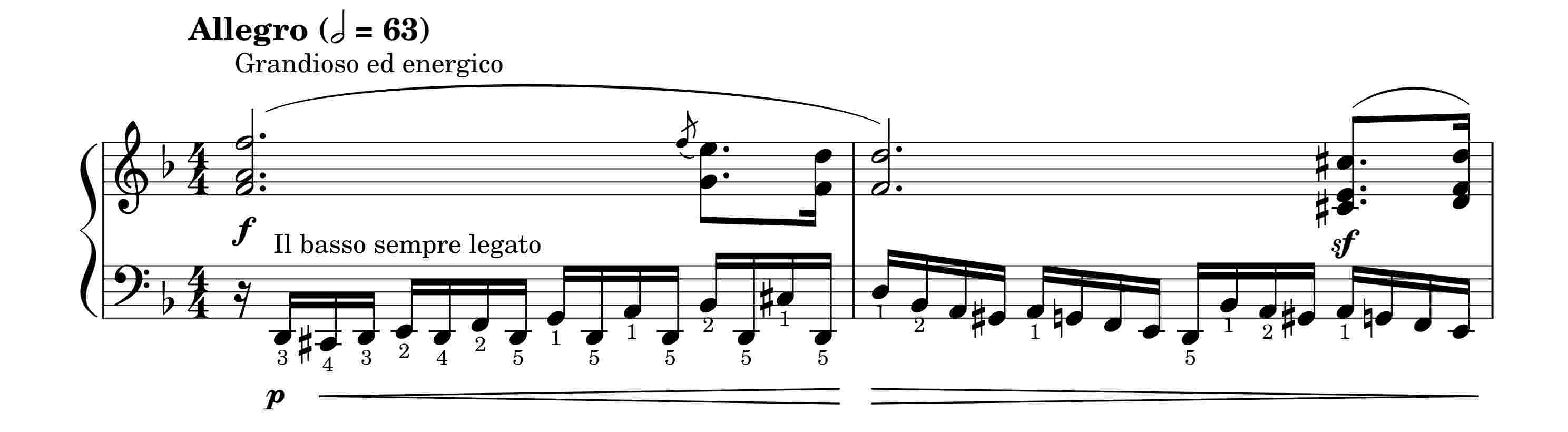
Ex. 4 - Hélène de Montgeroult - Etude No. 107 - Cours complet
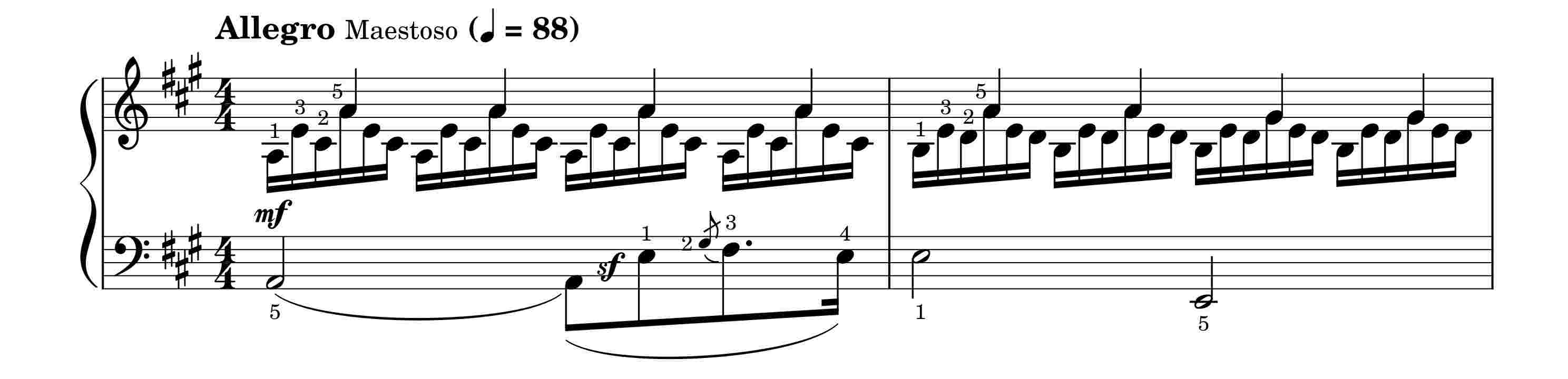
Ex. 5 - Hélène de Montgeroult - Etude No. 54 - Cours complet
There are also multi-movement etudes such as number 112 which is a whole sonata in itself. Overall, this represents a large original creative output housed in a single systematic piano method.
From a modern teaching perspective, short, easy to intermediate etudes from Romantic composers can be hard to come by and transitioning from late 18th century styles to 19th century ones can represent quite a step change in piano technique. These studies from one of the architects of what later became the Romantic piano style could be invaluable.
Etude No. 5 provides a relatively easy introduction to embedded melodies within figuration and two against three cross-rhythms. Etude No. 8 is an enigmatic study in cantabile playing over ostinato triplets. The aim being to free up the right-hand melodically to "sing" without disturbing the rhythm of the left. These techniques are developed and elaborated on in later intermediate etudes such as Nos. 17, 21, 26 and 28.
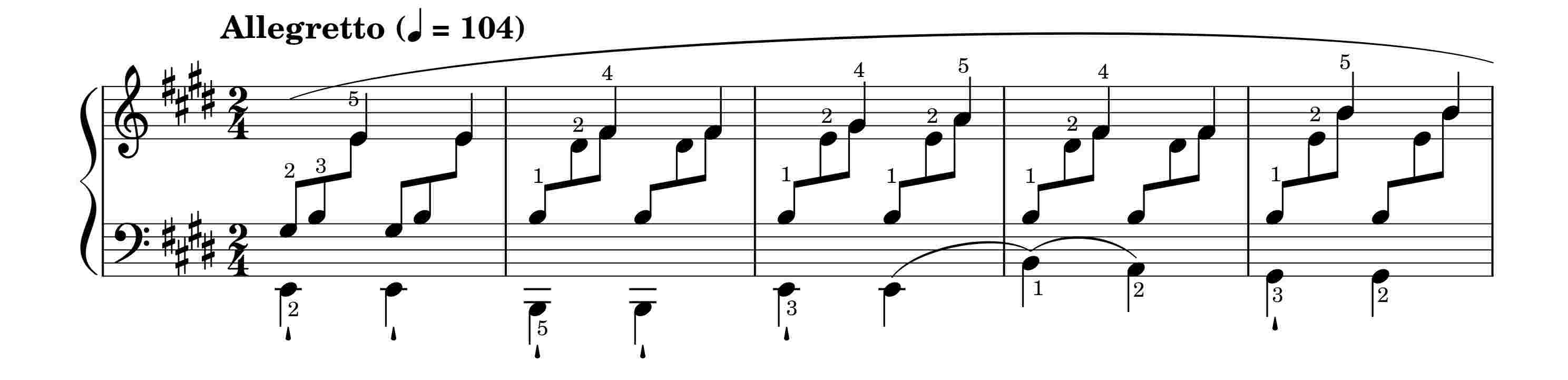
Ex. 6 - Hélène de Montgeroult - Etude No. 5 - Cours complet
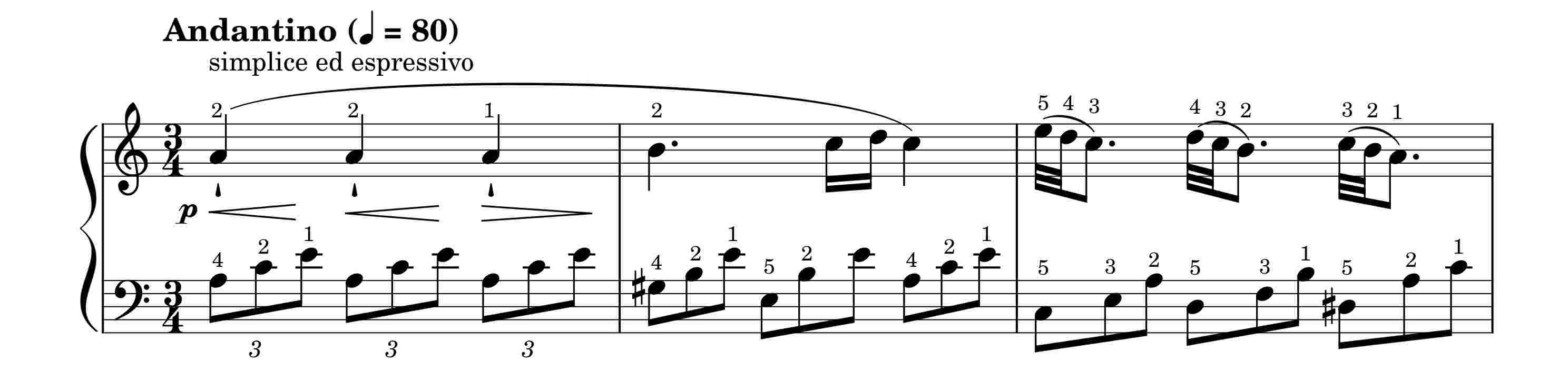
Ex. 7 - Hélène de Montgeroult - Etude No. 8 - Cours complet
The piano itself was undergoing a revolution during and immediately after the time she was composing and, through its increased sustaining power, becoming more capable of creating the illusion of a singing line and fulfilling the aesthetic she was advancing.
Another student of Montgeroult was Marie Bigot, an influential French pianist and composer who taught the Mendelssohns in 1816. Bigot also wrote her own etudes and sonatas, a handful of which survive, and much else which is presumed lost.
Pianists of the next generation known to have studied from the Method de Montgeroult include Sigismond Thalberg, one of the most celebrated pianists of the 19th century and famous for his "singing" tone, and Antoine Marmontel, a celebrated teacher with a long list of famous pupils including Bizet, d'Indy, and Debussy. Writing in his 1878 book Les pianistes célèbres he says "It is with the method of Madame de Montgeroult that I began, more than fifty years ago, the study of the piano. This date might suggest that the theoretical part and the aesthetic considerations are entirely out of date. It is not so, however."
Contemporaries who recommended Hélène de Montgeroult's method include Moscheles, Kalkbrenner and Szymanowska, who began her career with a short trip to Paris in 1810.
Maria Szymanowska was one of the first professional virtuoso pianists and did much to establish the solo piano recital, touring throughout Europe between 1815 and 1827, her concerts drawing the admiration of many of the leading musicians, artists and intellectuals of the day including Pushkin, Mickiewicz and Goethe, in a career that foreshadowed those of later pianist-composers, such as Clara Schumann and Franz Liszt. She was a formative influence on her fellow countryman Frederick Chopin, twenty years her junior, who would have been familiar with her 20 Exercises and Preludes, the first Polish concert etudes, which were widely admired. She wrote around 100 compositions most of which were published during her lifetime. They include etudes and nocturnes, as well as mazurkas, polonaises, walzes, marches, minuets, fantasies and variations, with many examples of brillant style writing which included much more in the way of virtuosic display, sentimentality and humour. Her Mazurka in C (No. 3) is still reproduced in early grades piano collections and some of her other dance movements are suitable for the intermediate level.
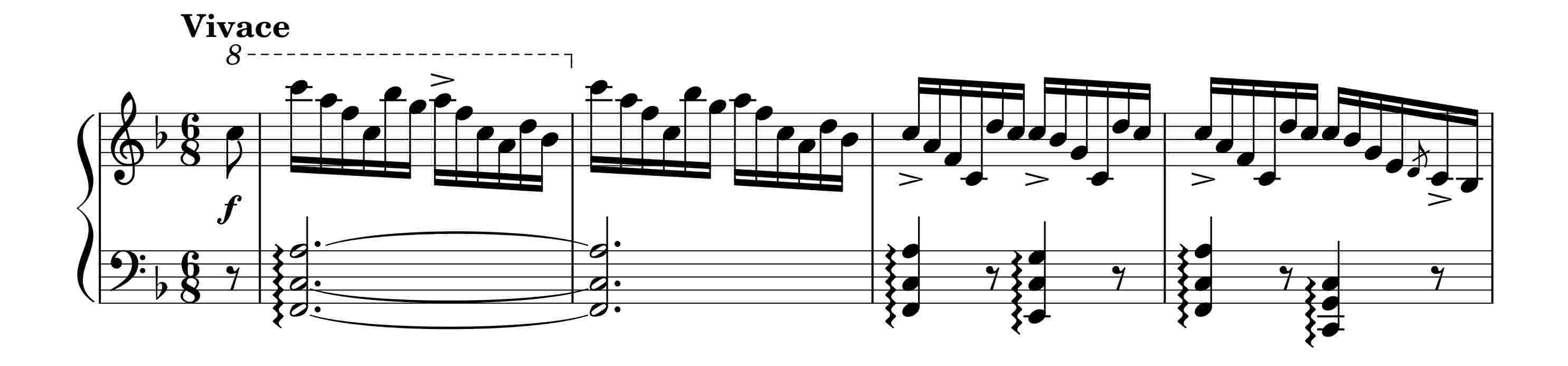
Ex. 8 - Szymanowska - Etude No. 1 - 20 Exercises and Preludes (1819)

Ex. 9 - Szymanowska - Mazurka No. 3 - 24 Mazurkas (1825)
Not long after Szymanowska's heyday, Louise Farrenc was achieving considerable fame as a performer and composer. She was appointed Professor of the Piano at the Paris Conservatory in 1842, a position which she held for the next 30 years. Her advanced collection, 30 Etudes, Op. 26, was adopted by the Conservatory from 1845 as required study for all piano students to mold their techniques and their musical taste. They were also adopted by other European Conservatories and continually republished for the rest of the 19th century. Along with many pieces for solo piano, including large scale variations and over 80 etudes, her other works include 2 overtures, 3 symphonies, chamber music, songs, choral music and a set of variations for piano and orchestra Op.25. She was also a pioneer in the study and performance of early keyboard music.
The early-intermediate Etude No. 15, Op.50 is described by Farrenc as a "Waltz movement that one must play in a light and graceful way". It's a short piece, not completely unlike the 'Minute Waltz' but slightly easier to master though no less satisfying to play and clearly written with younger students in mind; the 19th century Paris Conservatory being a little different to modern music conservatories in that students often enrolled as children.
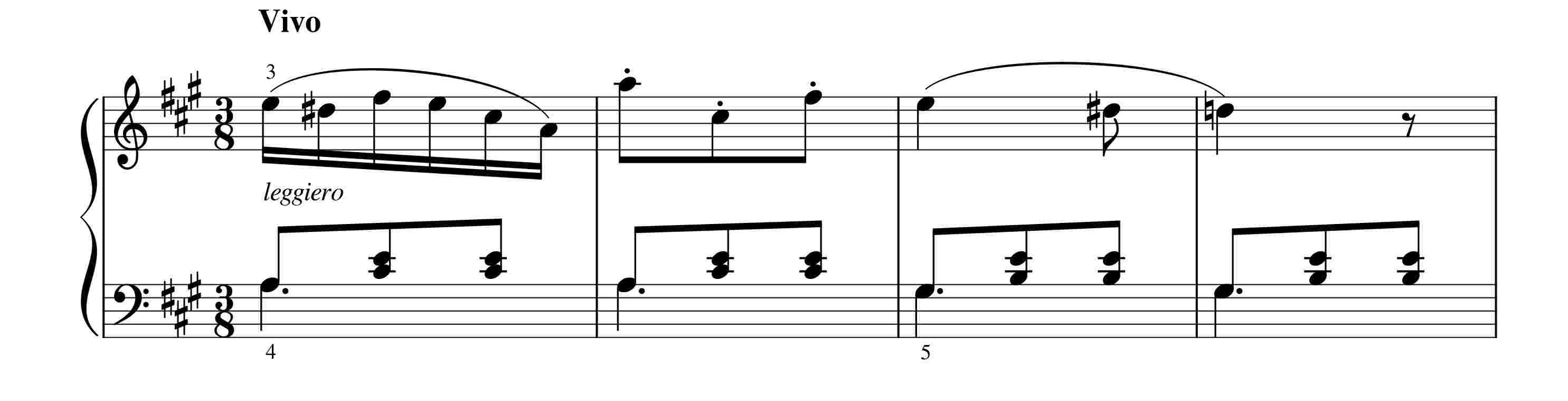
Ex. 10 - Farrenc - Etude No. 15, Op. 50 - early-intermediate etudes
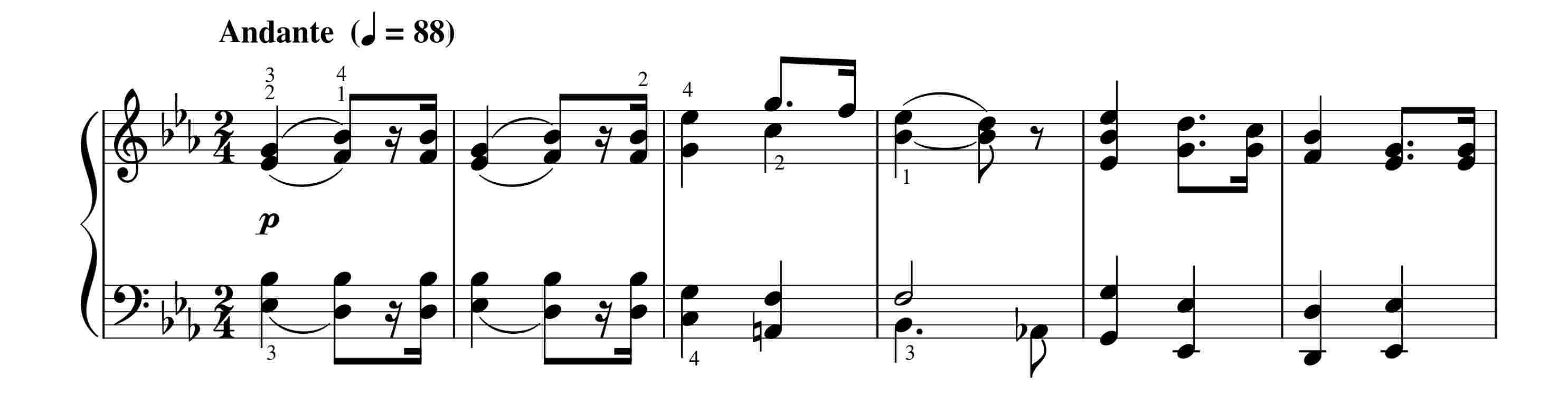
Ex. 11 - Farrenc - Etude No. 11, Op. 42 - intermediate etudes
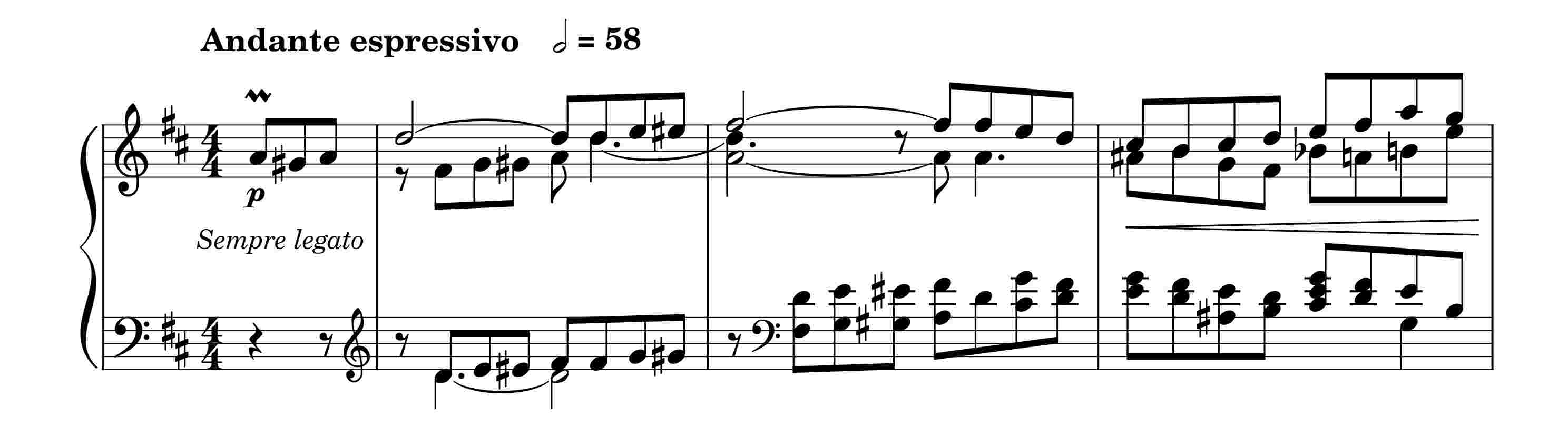
Ex. 12 - Farrenc - Etude No. 7, Op. 26 - advanced etudes
Robert Schumann wrote favourably of both Szymanowska and Farrenc's music. Highlighting Szymanowska's pioneering ingenuity, given the time she was writing, "much of what would later be seen as common and ordinary should be perceived here as new and outstanding" and Farrenc's technique in a review of her Air Russe Varié (piano variations) "so sure in outline, so logical in development - in a word, so finished - that one must fall under their charm, especially since a subtle aroma of romanticism hovers over them."
Notable late 19th century female pianist/composer/pedagogues who also passed through the Paris Conservatory include Marie Jaëll and Mel Bonis, both prolific composers who wrote for all levels from early grades to very advanced.
Marie Jaëll was a hugely successful concert pianist and the first to perform the complete solo works of Liszt in a series of extraordinary concerts in Paris in the early 1890s. A composition student of Saint-Saëns, Jaëll was a unique composer and someone who thought very deeply about piano technique, touch, physiology and musical cognition, publishing eleven books on the subject. Her main focus was on the education of the brain through the education of the hand and encouraging pianists to become more consciously aware of their sense of touch and its relationship to sound. Her teaching pieces offer a way into this unique, tactile musical world.
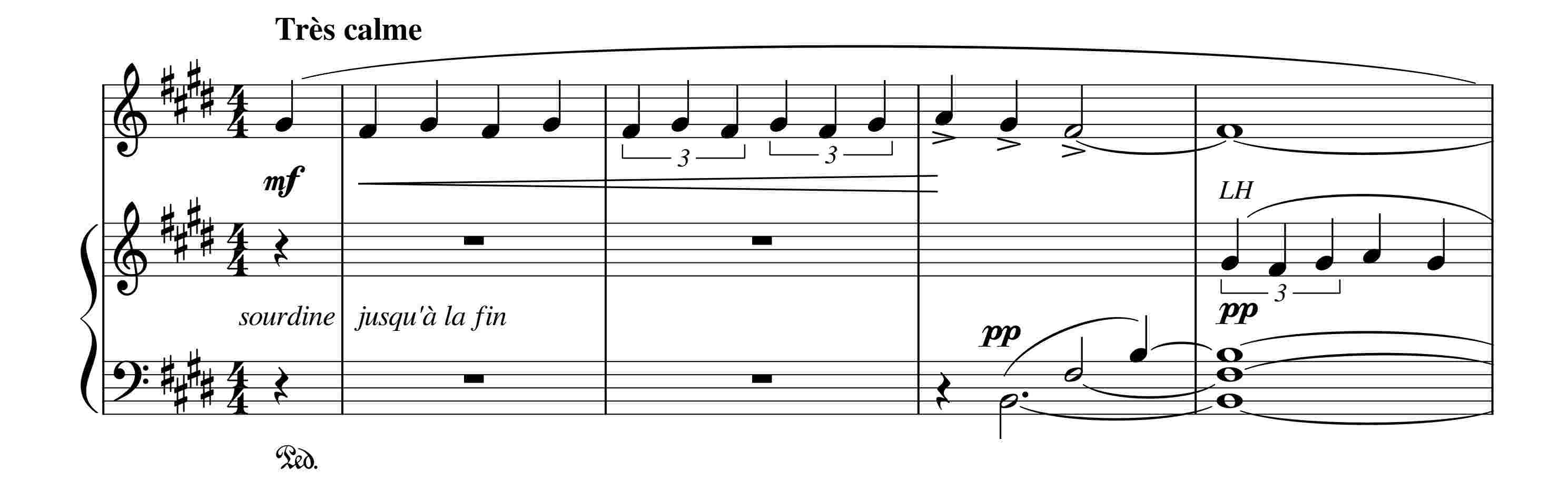
Ex. 13 - Jaëll - Le pâtre et l'écho from Les Beaux Jours (1894)
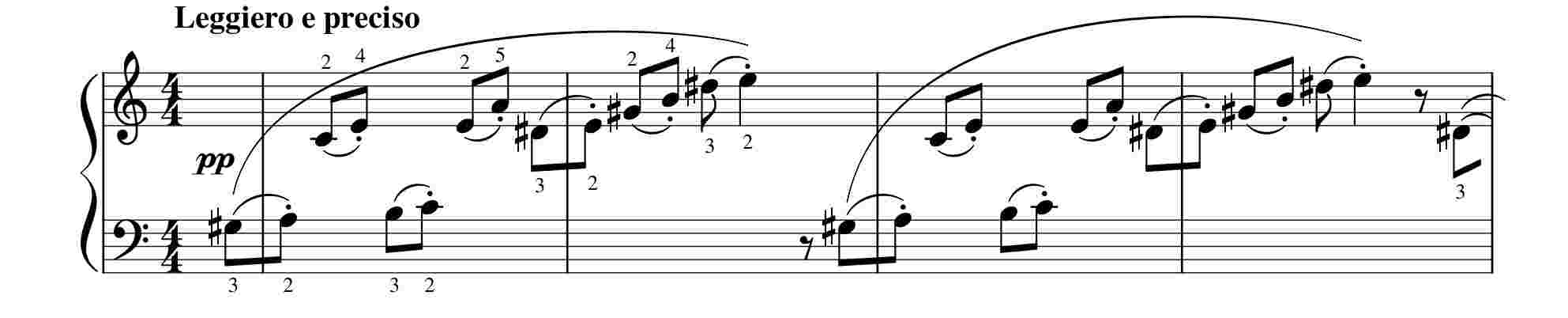
Ex. 14 - Jaëll - Petits Lutins from Le Toucher (1899)
Mel Bonis's piano works overflow with imagination and invention and this extends to her many pieces written for small children. Self-taught until the age of 12 and something of a star pupil and a prizewinning composer, both inside and outside the Conservatory. Her works, of which there are over 300, were frequently published and performed in Paris from the 1890s until the outbreak of the First World War.
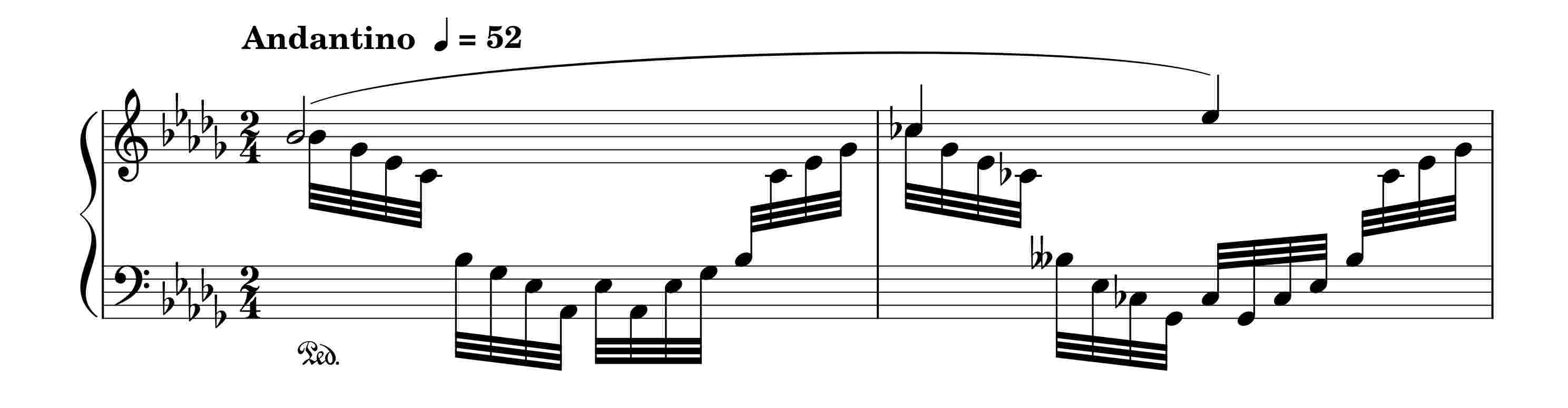
Ex. 15 - Bonis - Mélisande - Op. 34 (1898)
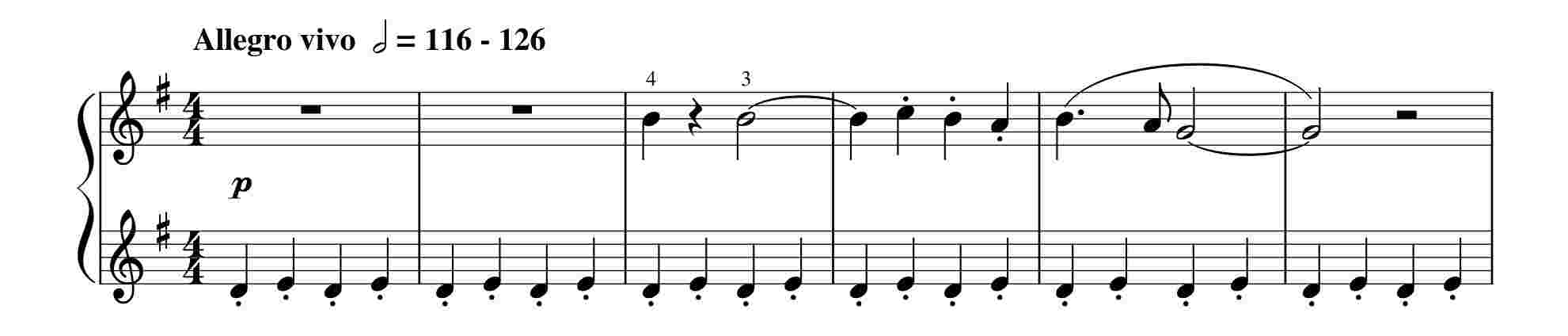
Ex. 16 - Bonis - La Machine á Coudre - Op. 103, No. 6 (1913)
The last few decades of musicological research, and many new recordings, have brought these and many similar stories to light, not just in Paris but throughout Europe, Russia and North and South America. I'm hopeful that piano music by historical women composers will once again be a celebrated and integral part of the world of piano composition, performance and education.
UPDATE:
This article was first published in the EPTA Piano Journal in April 2022.
Since June 2022 Farrenc's Etude No.15 Op.50 has been included on the ABRSM Grade 4 piano syllabus for 2023/24, leading to a proliferation of recordings on Youtube.
Sources:
Belleman, J. 2001. Frédéric Chopin, Antione de Kontski and the 'carezzando' touch. Journal of Early Music, Vol. 29 No. 3, August 2001.
Dobrzanski, S. 2001. Maria Szymanowska and Fryderyk Chopin: Parallelism and Influence. Polish Music Journal. University of Southern California.
Dorival, J. 2006. Hélène de Montgeroult : La Marquise et la Marseillaise. Symétrie.
Friedland, B. 1994. (Jeanne-)Louise Farrenc [née Dumont]. The New Grove dictionary of Women Composers. London, Macmillan
Geliot, C. 2000. Mel Bonis. Femme et compositeur (1858-1937). Univers musical.
Rose, M. 2001. Hélène de Montgeroult and the Art of Singing Well on the Piano. Women & Music, Annual
Struber, L. 2017. The Education of Musical Thinking Through the Hand According to Marie Jaëll. Thesis. University of Washington.